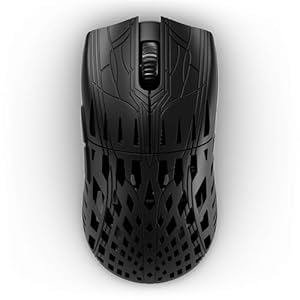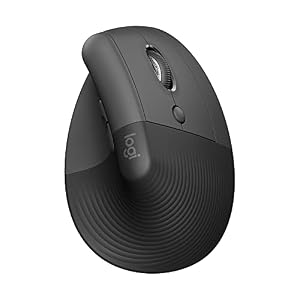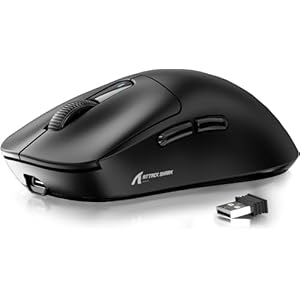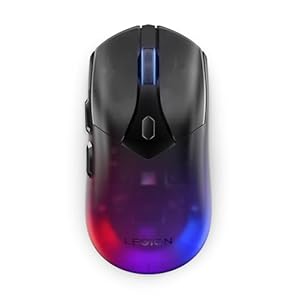

When evaluating the polling rates of popular gaming mice, you’ll find a spectrum of options varying in responsiveness and precision. The polling rate directly influences how quickly your mouse communicates its position to your computer, affecting your gaming performance. As you navigate through the diverse offerings in the market, understanding the significance of polling rates will guide you in making an informed decision about which gaming mouse aligns best with your gameplay style. Stay tuned to uncover the nuances of polling rates and how they can elevate your gaming experience to the next level.
Importance of Polling Rate
Understanding the significance of polling rate can enhance your gaming performance and responsiveness. When you move your gaming mouse, the polling rate determines how often it reports its position to your computer. A higher polling rate means more frequent updates, resulting in smoother and more accurate cursor movements. This is crucial in fast-paced games where split-second decisions can make all the difference.
Imagine playing a competitive first-person shooter. A higher polling rate ensures that your mouse movements are registered and reflected on-screen with minimal delay. This can give you a competitive edge by allowing for quicker reactions and more precise aiming. On the other hand, a lower polling rate may introduce lag, causing your cursor to feel less responsive and potentially impacting your performance.
In essence, the polling rate acts as a bridge between your physical movements and on-screen actions. By understanding its importance and choosing a gaming mouse with an optimal polling rate, you can elevate your gaming experience to new heights.
How Polling Rate Affects Performance
To maximize your gaming performance, consider how the polling rate of your gaming mouse directly impacts your responsiveness and accuracy during gameplay.
The polling rate of a mouse is measured in Hertz (Hz) and refers to how many times per second the mouse sends data to your computer. A higher polling rate means your mouse can communicate its position more frequently, resulting in smoother and more precise cursor movements.
This increased frequency can significantly enhance your ability to track targets accurately, react swiftly to in-game situations, and execute precise movements with ease. On the other hand, a lower polling rate may lead to input lag and less responsive cursor movements, potentially affecting your gameplay performance.
When selecting a gaming mouse, opt for one with a higher polling rate to ensure you have the competitive edge needed to perform at your best in fast-paced gaming environments.
Top Gaming Mice and Their Polling Rates
When evaluating the top gaming mice and their polling rates, consider the key features that set each model apart in terms of responsiveness and precision. High-end gaming mice such as the Logitech G Pro X Superlight and the Razer DeathAdder V2 boast polling rates of up to 1000Hz, providing ultra-fast response times crucial for competitive gaming. These mice are equipped with advanced sensors and efficient communication protocols, ensuring that every movement is registered with exceptional accuracy.
On the other hand, budget-friendly options like the SteelSeries Rival 3 and the Corsair Harpoon RGB offer polling rates ranging from 125Hz to 500Hz, still delivering decent performance for casual gamers. While these mice may not have the same ultra-high polling rates as their premium counterparts, they’re more than capable of providing smooth and precise tracking in most gaming scenarios.
Ultimately, the polling rate of a gaming mouse plays a significant role in determining its overall performance, with higher rates generally correlating with better responsiveness. When choosing a gaming mouse, selecting one with a polling rate that aligns with your gaming preferences and needs is essential for a satisfying gaming experience.
Tips for Choosing the Right Polling Rate
Consider your gaming style and preferences when selecting a polling rate that best suits your needs and enhances your gaming experience. A polling rate refers to how often your mouse reports its position to your computer in a second. For fast-paced games that require quick responses, a higher polling rate like 1000Hz is recommended. This ensures minimal lag between your mouse movements and on-screen actions, giving you a competitive edge. On the other hand, if you play more casually or prefer games that don’t require lightning-fast reflexes, a polling rate of 500Hz or even 250Hz could suffice.
It’s essential to test different polling rates to find the one that feels most comfortable and responsive to you. Some gamers mightn’t notice a significant difference between polling rates, while others can feel a dramatic change. Keep in mind that higher polling rates can consume more CPU resources, so if you have an older computer, it’s wise to consider this factor. Ultimately, choosing the right polling rate boils down to personal preference and the type of games you enjoy playing.
Trending Products